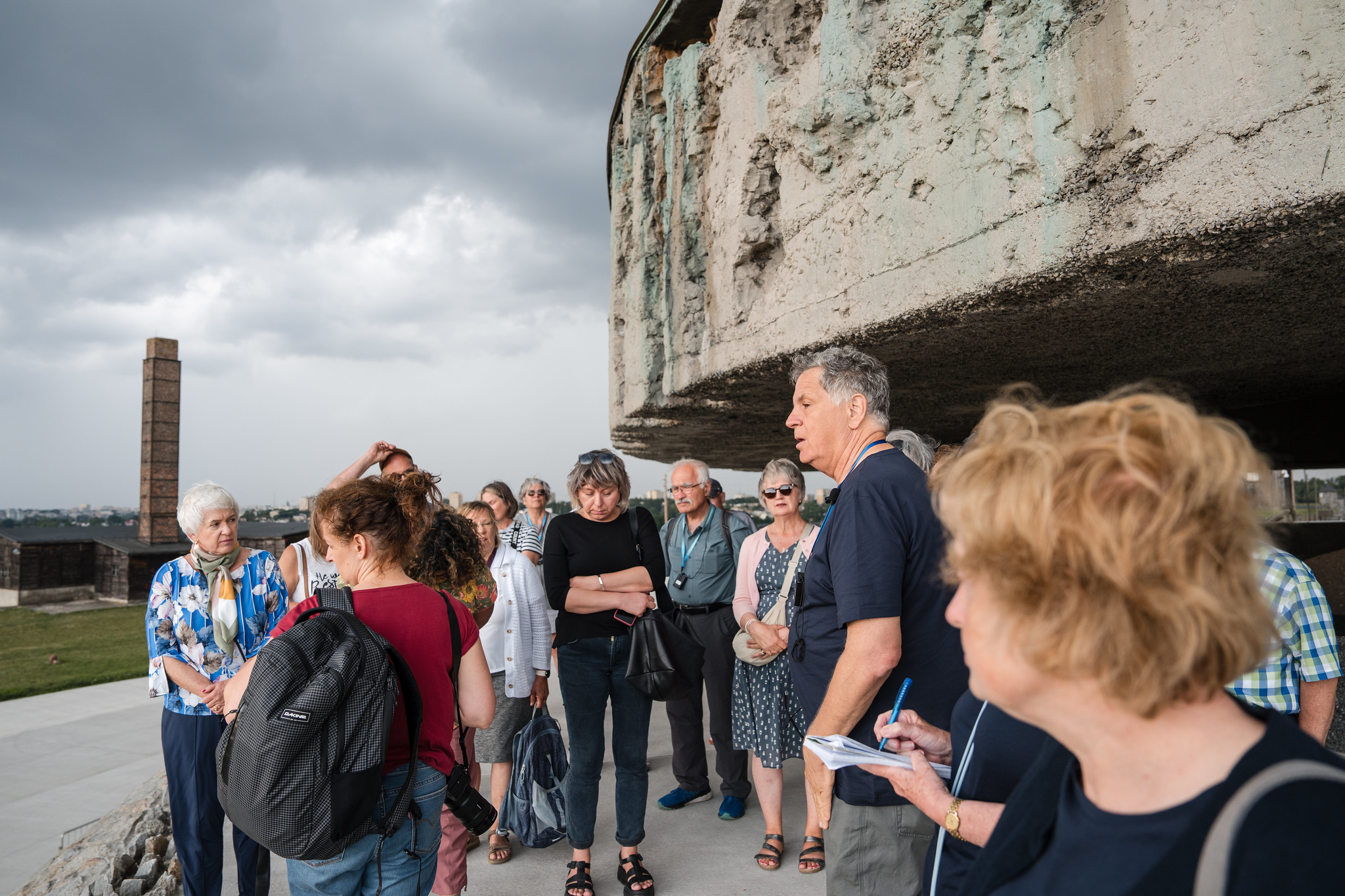
The Narrow Bridge Initiative brings believers to Poland to encounter the deep and often complicated history shared by Christianity and Judaism. It's a journey through the story of the Jewish people, from the time of their arrival in Europe through the founding of the modern state of Israel, including the weight of the Holocaust and what it means to understand it not from a book but from the ground itself.
Participant feedback
I really believe that every pastor and every Christian nonprofit leader in the nation needs to attend this tour because they will learn something of profound difference in terms of their own paradigm.

Come on, this incredible experience of exploring Poland, which is the story of Jewish heritage, how Jewish people lived, and also investigating, understanding, learning about the Shoa, the Holocaust, and bringing these experiences together.

It's been an amazing experience and I really recommend anybody who's interested in the marriage of Christianity and Judaism and understanding the Holocaust and understanding a bigger picture of the Jewish peopl

The full value of the trip, will not become apparent to me for some time as I process what I've seen, the conversations I've had, and what I've been reading, putting it all together. It has been a really worthwhile trip. I highly recommend you coming with the Narrow Bridge Tour. This trip is transformative.
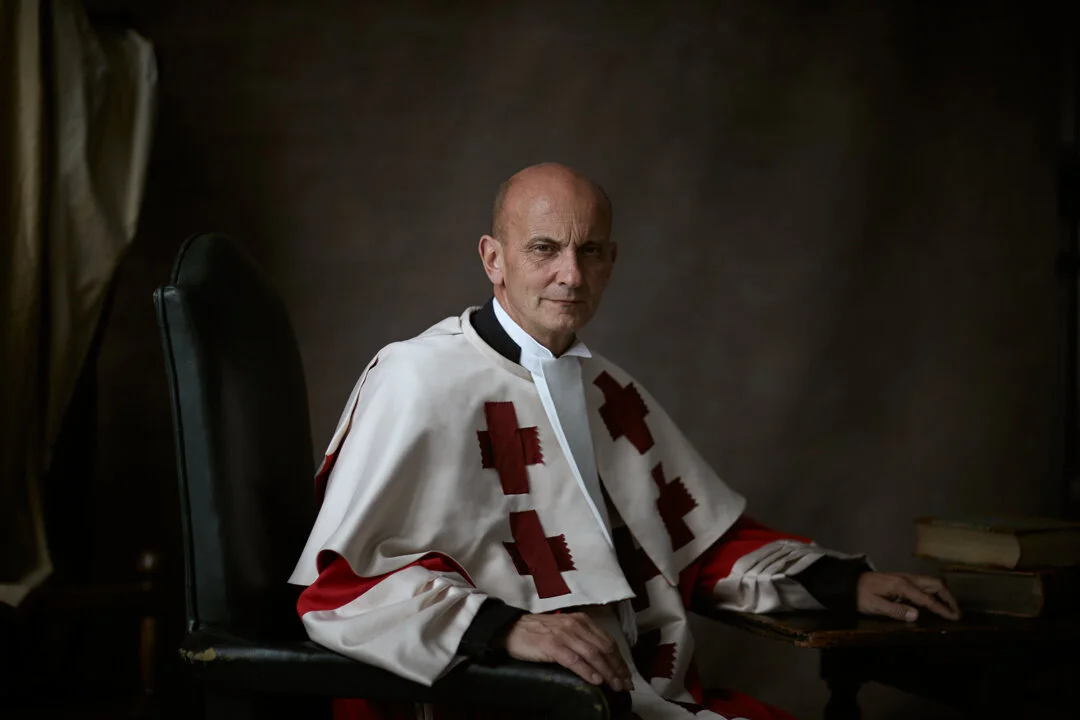
I encourage you to participate in this initiative. It will help you, as it helped me, understand the suffering of the Jewish people then and now, and allow you, with your hands and your heart, to enter into the Holocaust, the challenges, the suffering, the pain of the Jewish people in the Second World War.

Learning about Jewish life before the Holocaust, during the Holocaust, and after the Holocaust. And that's been really important for me01:21and has made a very rich and full experience on this tour.

Introductory meeting in the late afternoon and dinner together at a local restaurant. Overnight in Warsaw.
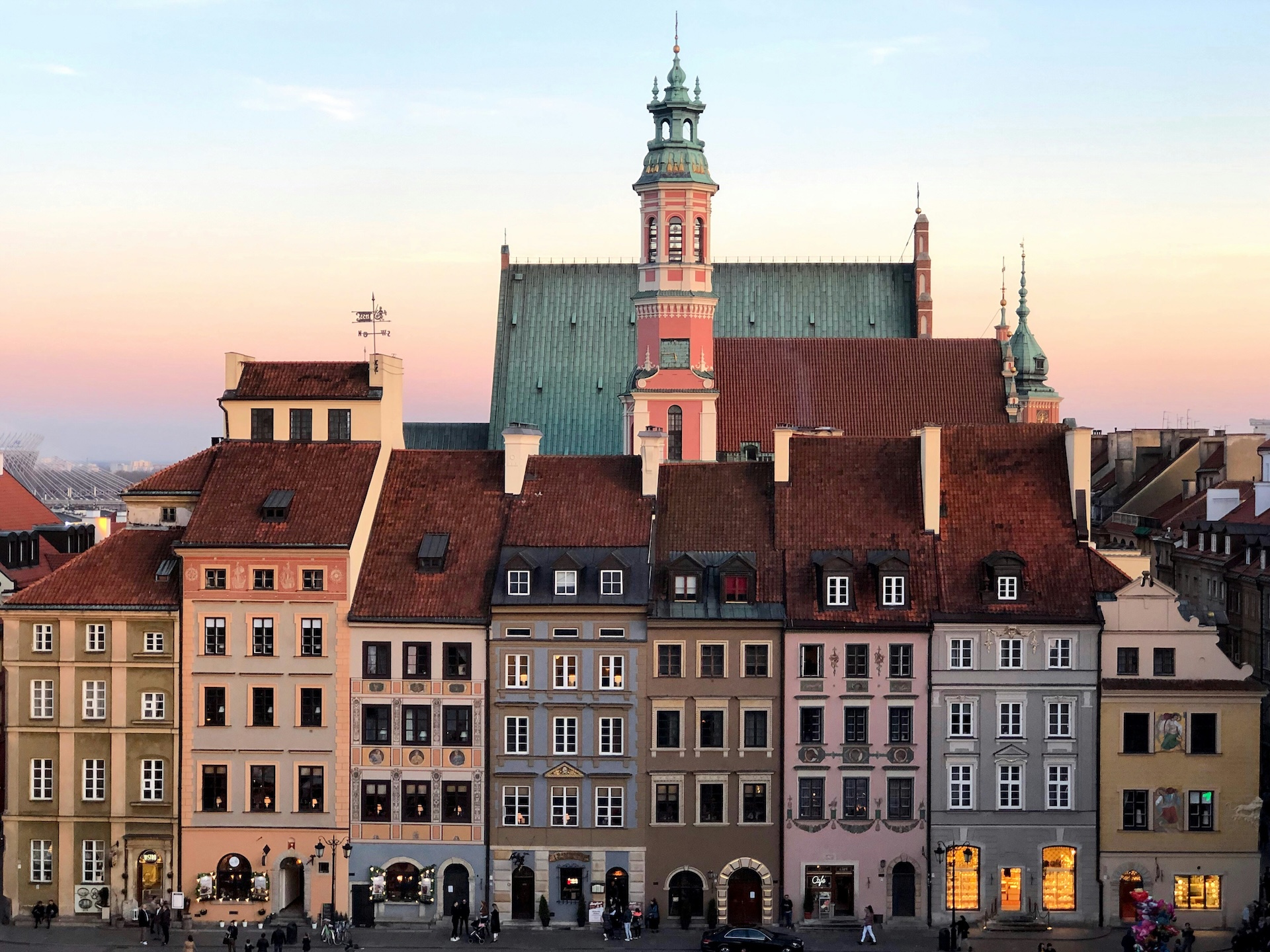
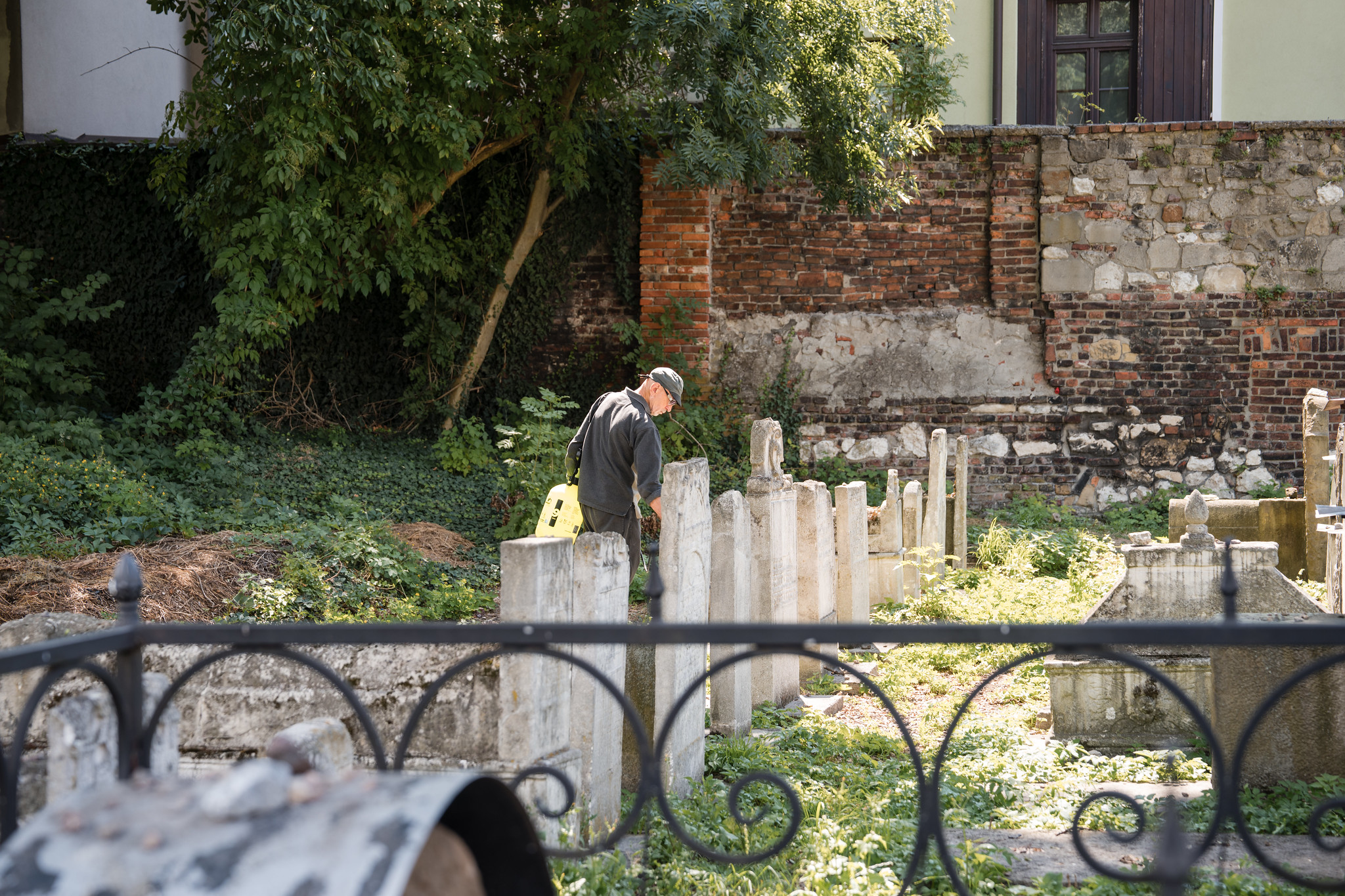
We visit the Jewish cemetery, Warsaw’s only functioning synagogue, and the POLIN Museum to discover Jewish life before the war. In the afternoon we walk the sites of the Warsaw Ghetto and see Emanuel Ringelblum’s famous archive at the Jewish Historical Institute.
We explore Warsaw’s city center to understand the Polish history behind what was once the largest Jewish city in the world. At the Warsaw Uprising Museum we learn how Poland understands its own suffering, and discuss the Polish influence on Jewish culture and identity.
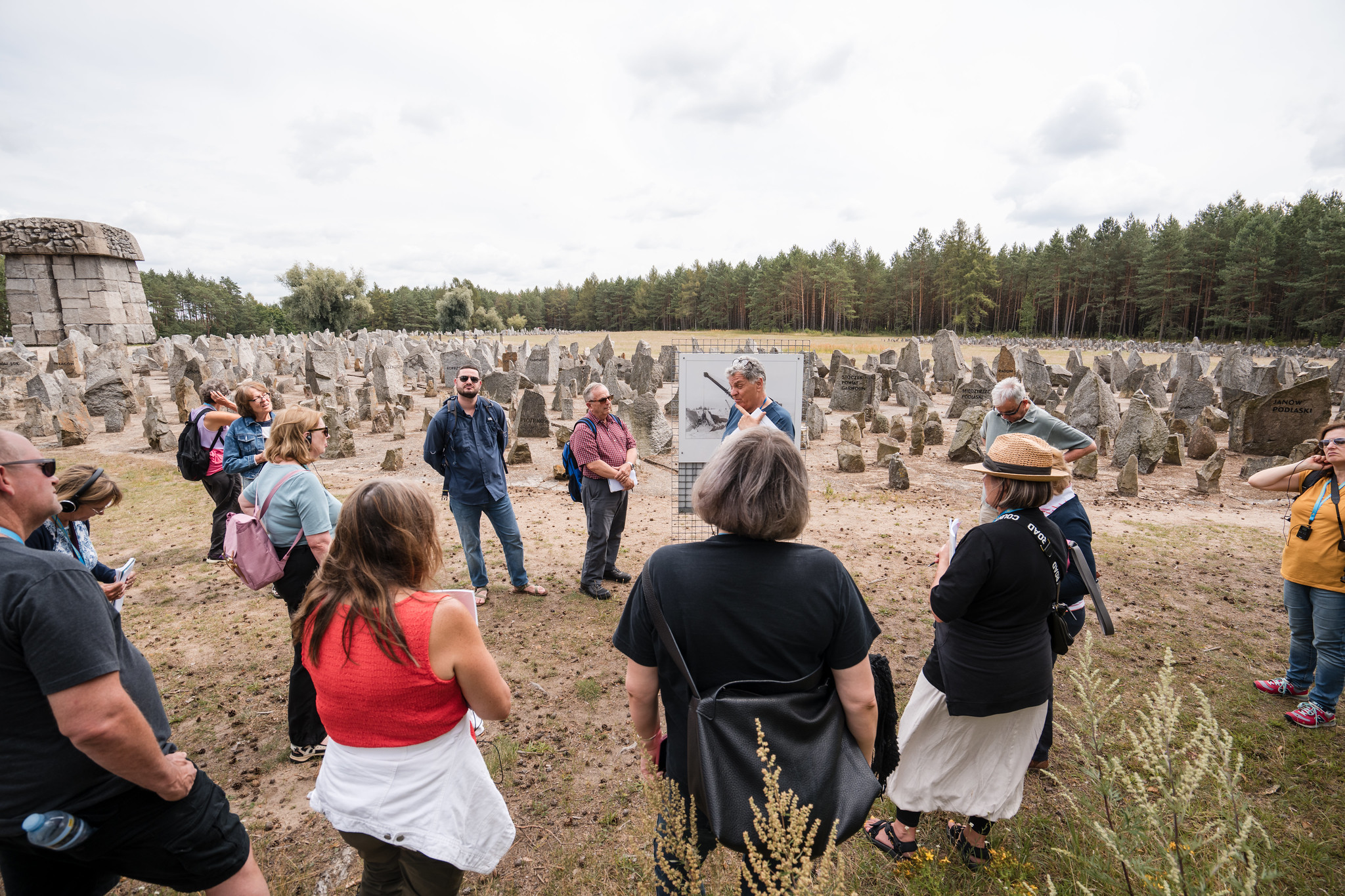
Heading east, we pass Isaac Bashevis Singer’s hometown of Radzymin and stop at Treblinka, where 900,000 Jews were murdered and only 30 are known to have survived. We end the day in the Baroque town of Tykocin, visiting its fortress synagogue and learning how Jews governed themselves while serving the Polish nobility.
In Białystok we visit the site of the Great Synagogue, burned by the Germans in 1941 with 3,000 Jews inside, and learn how the Divine Mercy devotion became one Polish response to Nazi and Soviet oppression. On the road to Lublin we trace the actions of Police Battalion 101, stopping at Międzyrzec, a town that was once 80 percent Jewish.
We explore Lublin’s walls, castle, and churches, along with the Jewish presence that made it one of the great centers of the Diaspora, including its famous yeshiva and the grave of the Seer of Lublin. The day ends at Majdanek, a labor and death camp.
In the borderland town of Włodawa we view its beautiful synagogue and see how Jewish life was shaped by its Catholic and Orthodox neighbors. At Sobibor, site of the largest prisoner revolt of WWII, we examine how Franz Stangl became a mass murderer, then continue past Chełm to Zamość.
After a stroll through Zamość, we visit a former Soviet prisoner of war camp and the Belzec death camp, where 500,000 Jews were murdered and only two are known to have survived. We consider the life of Kurt Gerstein, “God’s Spy” in the SS, and in nearby Józefów recount how Battalion 101 was initiated into the Final Solution.
We explore Kraków’s cultural and spiritual heritage and how the city and the Polish experience of Communism shaped Pope John Paul II. Highlights include the Market Square, Wawel Castle, Jagiellonian University, and Nowa Huta’s Ark of the Lord Church, followed by dinner and an evening of Polish folklore.
We spend the day at Auschwitz and Birkenau and briefly visit the site of the Buna labor camp, where Elie Wiesel and Viktor Frankl were slave laborers. We close at the Fountain of Tears by Israeli sculptor Rick Wienecke, a dialogue of suffering between the Crucifixion and the Holocaust.
We walk Kraków’s Jewish Quarter, visiting the Old Synagogue (Alte Shul), the cemetery, and the Galicia Jewish Museum. In the afternoon we visit Oskar Schindler’s factory and the sites of the ghetto and Płaszów camp, and discuss the moral ambiguities of his character.
A free day in one of Europe’s most stunning cities. Spend it shopping, sightseeing, or visiting the nearby Wieliczka salt mine (optional).
Explore highlights from our recent journeys

Featured program
Encounter 1,000 years of Jewish life in Poland — from the flourishing shtetl culture to its near-total destruction.
Walk the sites of Treblinka, Auschwitz, Majdanek, and Sobibor — and understand what they demand of Christian leaders today.
Explore the richness of Jewish prayer, study, and community life — and what it offers to Christian faith and practice.
Examine the long, complex, and often painful history between Christianity and Judaism — and the path toward honest reconciliation.
Understand Poland's own story of suffering, resistance, and renewal — and how it shaped modern Judaism and the State of Israel.
Wrestle with the questions ordinary people faced during extraordinary evil — and what bystanders, rescuers, and resisters teach us about leadership.

Prepare for your journey
Download the curated reading list for the Europe & Poland tour — books, articles, and resources selected by David Pileggi to deepen your preparation before you travel.
Email or call us and we'll walk you through dates, costs, and what to expect. Group and church bookings welcome.
We’ll be in touch soon to confirm your place on the Europe & Poland tour.